
 Grooved Fittings







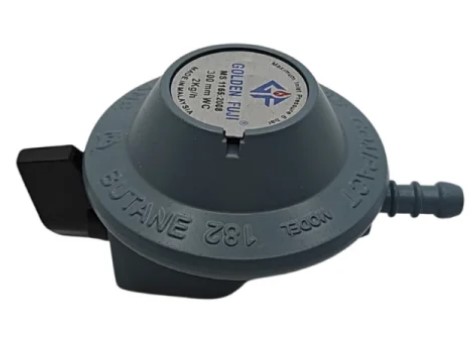
What A Gas Regulator Is: A Detailed Explanation
A gas regulator is a basic yet crucial tool that allows for the management of the pressurized gas coming from a gas cylinder. It guarantees that the gas flows to your stove, heater, or any other gas equipment safely and smoothly. A gas regulator is unneeded and high pressure, which can create hazardous situations such as leakages, explosions, etc. The gas regulator valve aids in the even distribution of gas flow, thus ensuring your house is safe and your appliances are operating efficiently. The use of either LPG or natural gas regulators still serves the same purpose, pressure control.
Importance Of Gas Regulator Valve
The gas regulator valve is of utmost importance for both safety and fuel efficiency. It constantly monitors the amount of gas passing from a cylinder to an appliance. For instance, if you are using a gas stove regulator, it takes care of the situation by keeping the flame lit to the proper intensity that is neither too weak nor too strong. Valves are often made of very sturdy materials that can withstand high pressure. There are types of regulators, like high-pressure and low-pressure, that are specified for very particular requirements. It is a matter of the appliance, the gas, and the type of cylinder regulator to determine which one to utilize.
Varieties Of Gas Regulators
Gas regulators are all kinds of depending on the gas source and required pressure. The most frequently used are LPG gas regulators, natural gas regulators, and high pressure gas regulators. LPG gas regulators are used for liquefied petroleum gas cylinders, which are mostly found in domestic use. In contrast, the natural gas regulator directs gas that is supplied from the grid through the natural gas pipelines into the house. A high-pressure regulator is typically used in applications where industrial needs for more power and pressure are common.
How A Gas Regulator Works
The whole process of a gas and pipe regulator is such that high-pressure gas from the cylinder is reduced to a level safe for the appliance and still adequate for its operation. The regulator has a diaphragm that is actuated by the gas flow. When the pressure rises, the diaphragm moves up a little, thus diminishing the flow. When the pressure drops, it goes down to lets in more gas. This back-and-forth situation is what makes for a constant, steady performance. A gas pressure regulator is a must to ensure that your home is safe by providing with gas supply that is unvarying and controllable gas supply. The gas pipe and regulator connection have to be very tight to prevent any gas leaks from occurring.
Choosing The Right Gas Regulator For Your Needs
The choice of a gas regulator is influenced by the nature of the gas you are using and the appliance to which it is attached. If the gas is for home use, then an LPG gas regulator or a gas stove regulator will be sufficient.
Installation Tips For A Gas Regulator
The installation of a gas regulator is an easy task, provided it is carried out with the right precautions. First, make it a point that the gas supply is off before you start the work. Connect the gas regulator valve to the cylinder firmly. Then make the gas pipe and regulator connection to the stove or appliance firmly, also. Always perform leak tests with soapy water; if you observe bubbles, then that means you should again tighten that connection. It is necessary to get a good quality gas pipe and regulator set to not to face trouble in the future. If you are not so sure, then better to have a professional installer for safety purposes.
Safety Tips When Using A Gas Regulator
Gas handling should always prioritize safety above all. Never forget to check your gas valve and tubing before engaging a gas appliance. In case gas smell is detected, then turn off the gas cylinder regulator without hesitation and let the gas out by opening the windows. Flames are not to be used for leakage detection; soapy water is the only means. Over a period, you must replace your gas regulator and pipe as they can get fragile and leak. Regulators of good quality will not only guarantee the safety but also the performance of your gas-fired appliances.
Comparing Gas Regulator Prices In The Market
The gas regulator price varies by type and brand. For instance, the price of a simple LPG gas regulator is likely to be lower compared to that of a high-pressure gas regulator for industrial use. The gas cylinder regulator price furthermore depends on the material used, to some extent. Advanced safety features accompany some regulators that make them a little more expensive.
Gas Regulator Maintenance
Periodically clean the connections and look out for dirt in the gas regulator valve. Inspect the gas pipe and regulator for any possible damage such as cracks or corrosion. A stove with a weak or uneven flame is a signal asking for cleaning or replacing your gas regulator. The secret to the longevity of appliances and prevention of gas leakage is regular maintenance. The well-maintained and efficiently operated gas stove regulator will keep you safe and also save you the cost of repairs.
The Importance of a Gas Regulator
A gas regulator may be a small device, but it still plays a big role in your daily life when it comes to safety and comfort. It does not matter whether you are using an LPG gas regulator for cooking and a high-pressure gas regulator in your industry; it is the one that controls the flow and maintains the pressure at a stable level. The best gas regulator valve should always be selected, and the gas cylinder regulator price must be checked before buying. A gas regulator and pipe system of the right choice means safety and long-term performance. hen it comes to gas, it is always better to be safe than sorry.


 Gas Regulators
 Gas Meters
 Accessories
 Hoses
Hoses Manifold
 Stoves
 Valves
 Brands
