 Grooved Fittings






Introduction
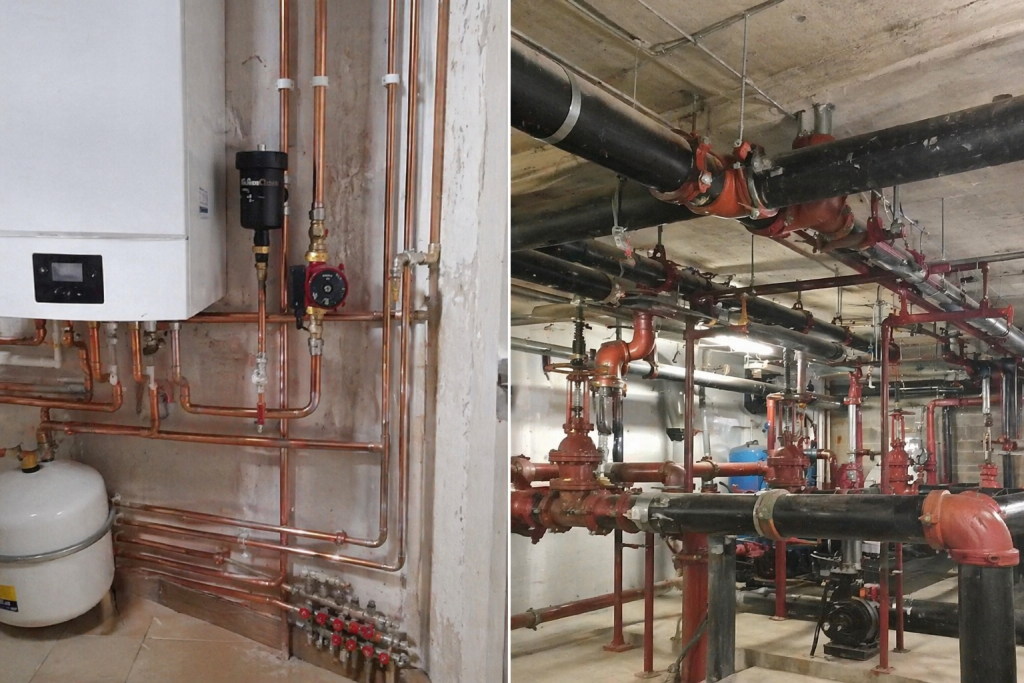
A residential plumbing system is more than just pipes and taps, it is a structured network that controls water flow, pressure, distribution, and drainage. When any part of this system fails, it can lead to problems like low water pressure, leaks, or inefficient drainage.
Understanding how a plumbing system works helps homeowners diagnose issues early and choose the right components such as valves, pipe fittings, and fixtures.
What Is a Plumbing System in a House?
A plumbing system is a network of interconnected components designed to:
- Supply clean water
- Distribute water across fixtures
- Remove wastewater safely
It operates through a combination of pressure, gravity, and flow control mechanisms.
Main Components of a Residential Plumbing System
A complete plumbing system includes multiple entities, each with specific attributes and functions:
1. Pipes (Water Distribution Network)
- Materials: PVC, copper, GI
- Attributes: diameter, pressure resistance, durability
- Function: transport water throughout the house
2. Valves (Flow Control Mechanism)
Valves regulate water flow and ensure system safety.
Key types include:
- Ball valves (quick shut-off)
- Gate valves (full flow control)
- Check valves (prevent backflow)
- Pressure reducing valves (control pressure levels)
3. Fixtures (Water Usage Points)
- Taps
- Showers
- Toilets
- Sink systems
These are the endpoints where water is consumed.
4. Water Supply System
This system brings water into your home under pressure from a municipal or tank source.
5. Drainage System
The drainage system removes wastewater using gravity and proper pipe slope.
How Water Flows Through a Plumbing System
Water flow depends on three main attributes:
1. Pressure
Water enters the system under pressure, allowing it to travel through pipes efficiently.
2. Pipe Size and Diameter
Larger pipes allow higher flow rates, while smaller pipes restrict flow.
3. Gravity (Drainage)
Wastewater flows downward through drainage pipes due to gravity.
Role of Valves in Maintaining Water Pressure and Flow
Valves are critical in maintaining system balance.
They:
- Control water direction
- Prevent leakage
- Maintain pressure stability
Improper valve selection often leads to issues like pressure drops or water hammer.
Common Plumbing Problems and Their Causes
Understanding system behavior helps identify problems quickly.
Low Water Pressure
- Caused by leaks, blockages, or faulty valves
Pipe Leaks
- Result from corrosion or poor fittings
Blocked Pipes
- Caused by debris buildup
Water Hammer
- Sudden pressure shock due to valve closure
How to Detect Plumbing Issues Early
Early detection reduces repair costs.
Look for:
- Unusual pipe noises
- Slow drainage
- Sudden pressure drops
Plumbing System Maintenance Tips
Maintaining your plumbing system ensures long-term efficiency.
- Inspect valves regularly
- Check pipe joints
- Clean drainage systems
- Use proper plumbing tools and maintenance equipment for repairs
Conclusion
A plumbing system works through a balance of pressure, flow, and component interaction. By understanding its structure and functions, you can prevent major issues and ensure efficient water distribution in your home.


 Gas Regulators
 Gas Meters
 Accessories
 Hoses
Hoses Manifold
 Stoves
 Valves
 Brands
